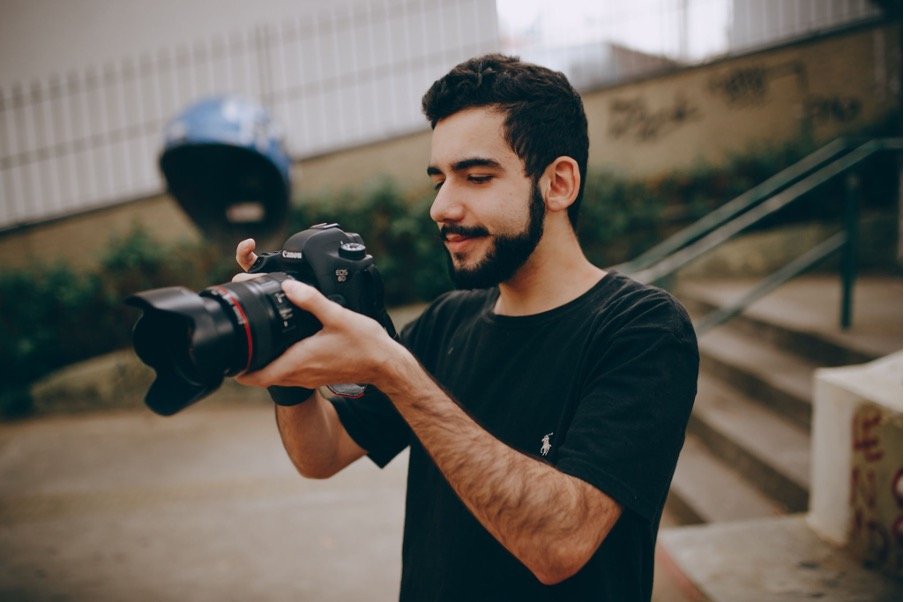
Aspiring professional photographers who want to turn strong work into steady income often discover the same tension: creative entrepreneurship feels freeing, but small business ownership brings structure, sales, and accountability. The photography market opportunities are real, yet so are the photography business startup challenges, standing out in a crowded field, managing inconsistent bookings, and making decisions that affect cash flow and reputation. Creative business risks show up early, especially when expectations about time, pricing pressure, and client demands collide with the desire to focus on craft. With the right mindset and a clear plan, photography can become a sustainable business.
Build a Bookable Photography Business Step by Step
This process helps you turn your photography skills into a legitimate, market-ready business with clear offers, smart pricing, and a simple system for finding clients. It matters because small setup choices early on can protect your cash flow and make booking feel repeatable instead of random.
- Step 1: Register the business and set up basics
Start by choosing a business name, registering it in your area if required, and opening a separate business bank account to keep income and expenses clean. Set up a simple invoicing and contract workflow so every job has the same expectations, payment terms, and usage rights. - Step 2: Write a lean plan and pick one clear niche
Draft a one-page plan that states who you serve, what you shoot, what you charge, and how you will get booked in the next 30 to 90 days. Choose one primary niche to start, such as portraits, events, weddings, or brand photos, so your portfolio and messaging look focused rather than scattered. - Step 3: Invest in gear like a business decision
List the minimum equipment needed to deliver consistent results for your niche, then buy or rent in order of what affects image quality and reliability most. Prioritize one dependable camera body, a versatile lens, backup storage, and lighting tools only if your work demands it, because overbuying early can strain cash flow. - Step 4: Set pricing that covers costs and supports growth
Calculate your baseline costs per shoot including time, travel, editing, subscriptions, and taxes, then build packages that protect your hourly earnings. Compare your pricing to local competitors, but anchor your rates to your costs and outcomes so you can raise prices confidently as your demand and proof increase. - Step 5: Market consistently and turn leads into bookings
Choose 1 to 2 channels you can sustain weekly, then post, outreach, and follow up on a schedule instead of waiting for inspiration; the best marketing channels are the ones you can execute consistently. Offer a clear call to action such as “book a consult” or “request availability,” then use a short intake form and quick reply templates to move inquiries from curious to confirmed.
Build Business Skills That Sustain and Scale Your Studio
Once you’ve got the early building blocks in place, your studio grows fastest when your business decisions are as strong as your images. A business management degree can give aspiring professional photographers a solid grounding in the skills that keep a creative service profitable: pricing strategy that supports your time and costs, clear client contracts that protect both sides, marketing that consistently brings in inquiries, and financial planning that helps you forecast income and expenses instead of guessing. That kind of foundation can turn talent and hustle into an operation you can sustain, and scale, without losing control of the numbers or the client experience. If you want a structured path, a BS in business management earned online can make it easier to keep working while you learn.
Photography Business FAQs New Pros Ask First
Q: What licenses or permits do I actually need to start shooting professionally?
A: Many photographers need a basic business license, and some areas require a sales tax permit if you sell prints or products. Plan for filing costs early because an application fee ranging from $50 to several hundred dollars is common depending on where and how you operate. Check your local business portal, then keep digital copies of approvals in one folder.
Q: How much insurance do I need as a new photographer?
A: Start with general liability to cover accidents on location, then add equipment coverage for theft or damage. If you photograph events or work with venues, they may require proof of coverage before you can shoot. Ask your agent about adding professional liability if you deliver client-facing results.
Q: When should I start paying taxes and tracking income?
A: Treat every paid job like taxable income from day one, even if it is a side gig. Set aside a percentage of each payment in a separate account and track mileage, gear, software, and marketing expenses. A short call with a small-business CPA can prevent expensive surprises.
Q: What should a client contract include to protect me and the client?
A: Cover deliverables, turnaround time, payment schedule, cancellation terms, and usage rights for images. Add a clear rescheduling policy and a model release approach for situations where you need one. Use plain language and require a signature before you hold the date.
Q: Why do I struggle to price my work, and what is a simple fix?
A: New photographers often price only for shoot time and forget editing, travel, admin, and taxes. Build a baseline by estimating total hours per job and setting a minimum that covers costs plus profit. Then offer two or three packages so clients can choose without haggling.
Q: What software helps me stay organized without getting overwhelmed?
A: Use an invoicing tool that accepts payments, a calendar that sends reminders, and a contract e-sign platform. Pair that with a simple CRM or spreadsheet to track inquiries, bookings, and follow-ups. Choose one system you will actually use consistently, then automate receipts and templates.
Launch-Ready Photography Business Checklist
This quick list turns scattered to-dos into a clean launch plan you can finish in short sessions. Check off each step to build a business that looks professional, gets booked, and stays organized.
✔ Confirm required business registration and sales tax setup
✔ Secure liability and gear coverage with proof documents
✔ Open a separate bank account and set a tax set-aside
✔ Create a pricing sheet with packages and add-on options
✔ Prepare contract, invoice, and model release templates
✔ Build a core gear kit and backup plan for failures
✔ Publish a simple portfolio, offer page, and contact form
✔ Set a tracking system for leads, jobs, and expenses
Finish these basics, then focus on shooting and selling confidently.
Turn Your Photography Skills Into Reliable Client Bookings
Starting a photography business can feel like balancing creative confidence with the pressure to be “business-ready” fast. The path that works is a business growth mindset paired with steady application of photography business skills, treating systems, outreach, and client experience as learnable crafts, not personality traits. Follow the checklist, refine one piece at a time, and that starting a photography business summary becomes real momentum: clearer offers, smoother workflows, and more consistent bookings. Consistent systems beat sporadic hustle when building a photography business.